

Custom Skin Care Solutions for Every Skin Type
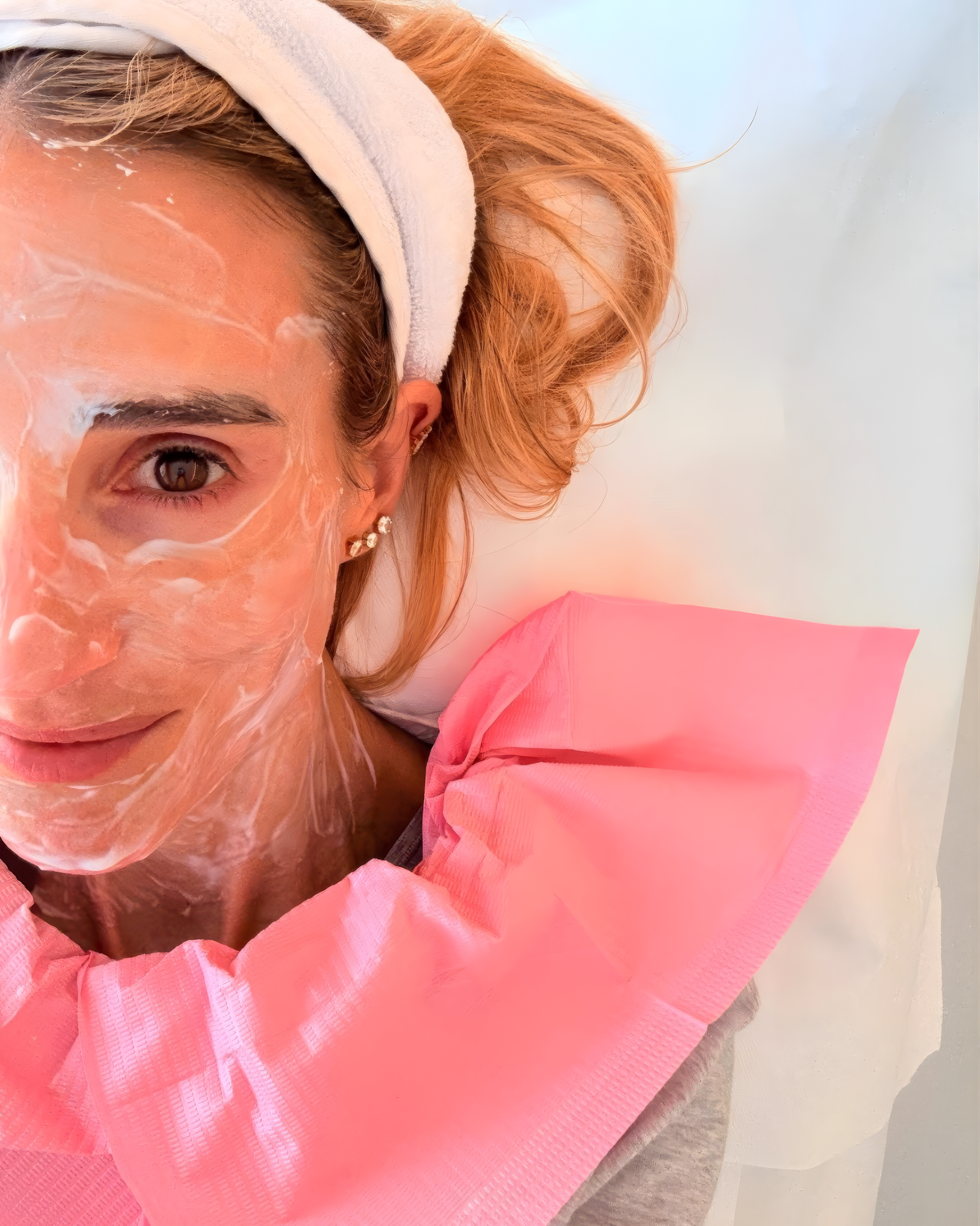
Finding the right skin care routine can feel overwhelming. With countless products and advice available, it’s easy to get lost in the noise. However, understanding your skin type is crucial for creating a personalized skin care regimen that truly works for you. In this post, we will explore custom skin care solutions tailored to various skin types, helping you achieve your best skin yet.

Understanding Skin Types
Before diving into specific solutions, it’s essential to identify your skin type. Generally, skin can be categorized into five main types:
Normal Skin: Balanced, not too oily or dry, with few imperfections.
Oily Skin: Characterized by excess sebum production, leading to a shiny appearance and enlarged pores.
Dry Skin: Lacks moisture, often feeling tight or rough, and may show signs of flakiness.
Combination Skin: A mix of oily and dry areas, typically oily in the T-zone (forehead, nose, chin) and dry on the cheeks.
Sensitive Skin: Prone to redness, irritation, and reactions to products or environmental factors.
Identifying Your Skin Type
To determine your skin type, consider the following steps:
Cleanse: Start with a gentle cleanser to remove makeup and impurities.
Wait: Allow your skin to rest for about an hour without applying any products.
Observe: Pay attention to how your skin feels. Is it tight, oily, or balanced?
This simple test can help you identify your skin type and guide you in selecting the right products.
Custom Solutions for Each Skin Type
Normal Skin
For those with normal skin, the goal is to maintain balance. Here are some effective strategies:
Cleanser: Use a gentle, hydrating cleanser that won’t strip your skin of its natural oils.
Moisturizer: Opt for a lightweight, non-comedogenic moisturizer to keep your skin hydrated.
Sunscreen: Daily SPF is essential to protect against UV damage.
Example Routine:
Cleanser: Gel-based cleanser
Moisturizer: Lightweight lotion
Sunscreen: Broad-spectrum SPF 30 or higher
Oily Skin
Managing excess oil can be challenging, but the right products can help control shine and prevent breakouts:
Cleanser: Look for foaming or salicylic acid-based cleansers to help reduce oil.
Exfoliation: Incorporate chemical exfoliants like AHAs or BHAs to unclog pores.
Moisturizer: Choose oil-free, gel-based moisturizers to hydrate without adding excess oil.
Example Routine:
Cleanser: Salicylic acid cleanser
Exfoliant: BHA exfoliant 2-3 times a week
Moisturizer: Oil-free gel
Dry Skin
If you have dry skin, focus on hydration and nourishment:
Cleanser: Use a creamy, hydrating cleanser that won’t strip moisture.
Moisturizer: Look for rich creams containing ingredients like hyaluronic acid and ceramides.
Face Oils: Incorporate facial oils to lock in moisture.
Example Routine:
Cleanser: Creamy hydrating cleanser
Moisturizer: Rich cream with ceramides
Face Oil: Jojoba or argan oil
Combination Skin
Balancing different areas can be tricky, but targeted products can help:
Cleanser: Use a gentle cleanser that won’t aggravate dry areas while controlling oil.
Moisturizer: Consider a lightweight lotion for the T-zone and a richer cream for dry areas.
Spot Treatment: Use targeted treatments for oily areas as needed.
Example Routine:
Cleanser: Gentle foaming cleanser
Moisturizer: Lightweight lotion for T-zone, rich cream for cheeks
Spot Treatment: Clay mask for oily areas
Sensitive Skin
Sensitive skin requires gentle care to avoid irritation:
Cleanser: Opt for fragrance-free, hypoallergenic cleansers.
Moisturizer: Use soothing creams with ingredients like aloe vera or chamomile.
Patch Test: Always patch test new products before applying them to your face.
Example Routine:
Cleanser: Fragrance-free gentle cleanser
Moisturizer: Soothing cream with aloe vera
Sunscreen: Mineral-based SPF
Additional Tips for All Skin Types
Regardless of your skin type, there are universal tips that can enhance your skin care routine:
Stay Hydrated: Drink plenty of water to keep your skin hydrated from within.
Healthy Diet: Incorporate fruits, vegetables, and healthy fats to nourish your skin.
Regular Exercise: Physical activity improves circulation and promotes a healthy glow.
Sleep Well: Aim for 7-9 hours of quality sleep to allow your skin to repair and rejuvenate.
The Importance of Patch Testing
Before introducing new products into your routine, always perform a patch test. Apply a small amount of the product to a discreet area of skin and wait 24 hours to check for any adverse reactions. This step is especially crucial for those with sensitive skin.
Conclusion
Creating a custom skin care routine tailored to your specific skin type is essential for achieving healthy, radiant skin. By understanding your skin’s unique needs and selecting the right products, you can address concerns effectively. Remember, consistency is key, and it may take time to see results.
Take the first step today by assessing your skin type and exploring the solutions that work best for you. Your skin deserves the best care possible!


Comments